Role of potassium channels in the frequency dependent activity of regenerating nerves


Yazarlar (3)

Tufan Mert Kahramanmaraş Sütçü İmam Üniversitesi, Türkiye
İsmail Günay Çukurova Üniversitesi, Türkiye
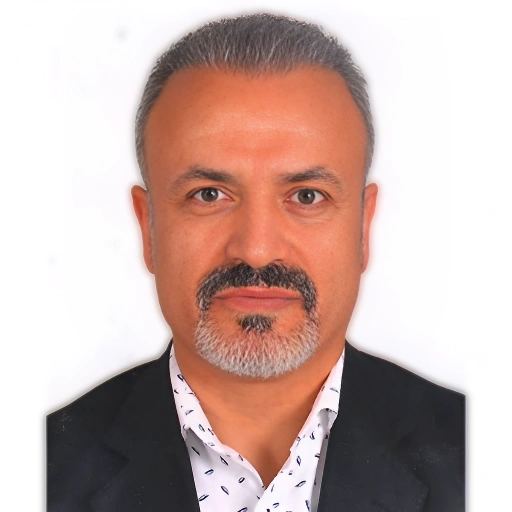
Prof. Dr. Yusuf Kenan DAĞLIOĞLU Çukurova Üniversitesi, Türkiye
| Makale Türü | Özgün Makale (SSCI, AHCI, SCI, SCI-Exp dergilerinde yayınlanan tam makale) | ||
| Dergi Adı | PHARMACOLOGY (Q3) | ||
| Dergi ISSN | 0031-7012 Dergi Bilgileri (2004) | ||
| Dergi Tarandığı Indeksler | SCI-Expanded | ||
| Makale Dili | İngilizce | Basım Tarihi | 01-2004 |
| Cilt / Sayı / Sayfa | 72 / 3 / 157–166 | DOI | 10.1159/000080100 |
| UAK Araştırma Alanları |
Tıbbi Mikrobiyoloji
|
||
| Özet |
| After a peripheral nerve injury, ion channel organization and the electrical properties of nerve fibers drastically change during the regeneration process. The present study was designed to compare the frequency-dependent characteristics of regenerating nerves in the presence of 4-aminopyridine (4-AP) and tetraethylammonium (TEA). The results showed that increasing the stimulus frequency produced a greater impulse blockade (frequency-dependent block – FDB) and distinct hyperpolarizing afterpotentials (HAPs) in regenerating nerves. In particular, regenerating sciatic nerves 15 days post-crush (dpc) were more sensitive to the frequency-dependent stimulations than 38-dpc and intact nerves in the presence or absence of drugs. The frequency-dependent effects of TEA on the compound action potentials (CAPs) appeared when TEA was applied to 4-AP-treated nerves. This shows that TEA-sensitive … |
| Anahtar Kelimeler |
| slow sodium currents | fast and slow potassium channels | nerve injury | nerve regeneration | hyperpolarizing afterpotential |
BM Sürdürülebilir Kalkınma Amaçları

| Atıf Sayıları | |
| Web of Science | 13 |
| Google Scholar | 17 |